
From flare-up to balance: take psoriasis under control
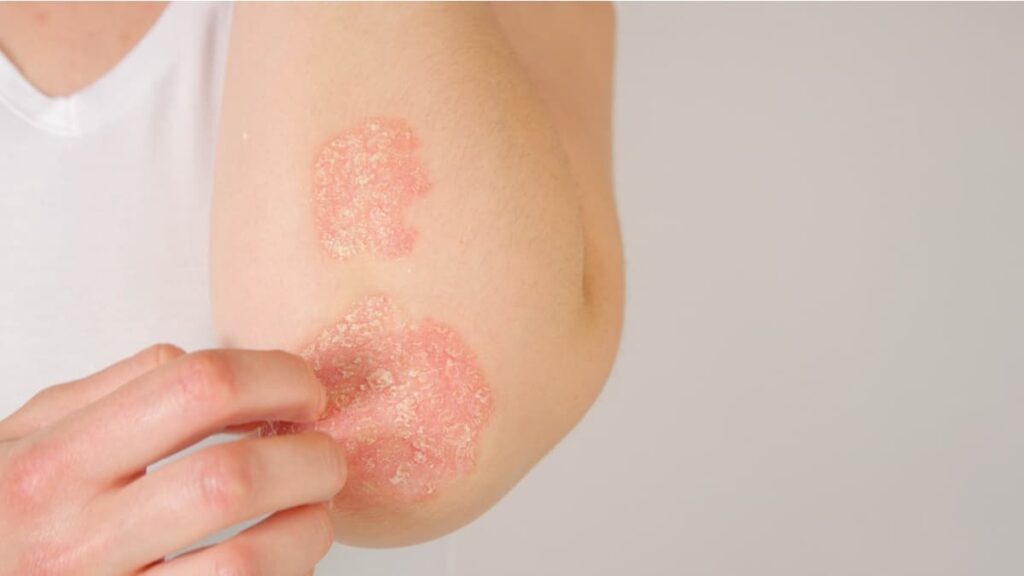
psoriasis; It is a chronic inflammatory skin disease caused by an overactivation of the immune system, manifested by thick, silvery flaking and redness on the skin. This disease, which affects not only the skin, but also the joints and the general quality of life; It can be largely controlled with the correct diagnosis and personalized treatment protocol. Assoc. Dr. Demet Akpolat creates a comprehensive treatment plan by evaluating the psoriasis type, severity and effect of each patient individually.
Why does psoriasis occur?
In psoriasis, the immune system incorrectly targets the skin cells. Normally, the skin rejuvenation cycle, which is completed in 28-30 days, takes place only in 3-4 days in patients with psoriasis. This rapid cell accumulation leads to characteristic flaking and plaques on the skin.
Trigger factors differ from person to person:
- Genetic predisposition and family history
- Stress and psychological pressure
- Infections (especially throat infections)
- Some drugs (lithium, beta blockers, etc.)
- Skin injuries and friction
- Alcohol consumption and smoking
- hormonal changes
Types of psoriasis
plaque psoriasis It is the most common form. It is seen in the form of red plaques with elbow, knee, scalp and thick, silvery sequin at the waist.
Guttat psoriasis It is a small, drop-shaped form that manifests itself with lesions. It is usually seen in childhood and young adulthood, often triggered after a throat infection.
Inverz psoriasis It is seen in the form of bright red lesions in the fold areas (underarm, groin, under the breast). Scaling is minimal.
pustular psoriasis It is a rarer form that progresses with pus-filled bubbles on reddened skin.
Erythrodermic psoriasis It is a rare and serious form that covers most of the body and progresses with severe redness and flaking.
psoriatic arthritis Joint involvement can also be seen in some of the psoriasis patients. Complaints of joint pain, swelling and stiffness may indicate psoriatic arthritis.
How does the treatment process work?
Treatment of psoriasis; It is personalized according to the type, severity of the disease and the affected body areas.
Topical treatments In mild to moderate-intensity psoriasis, corticosteroid creams are used, vitamin D analogs, calcineurin inhibitors and keratolytic agents are used.
Phototherapy UVB Light Therapy; It is an effective and safe treatment option in moderate and severe psoriasis cases. Excessive growth of skin cells is slowed down by applying it in regular sessions.
Systemic treatments In moderate to severe cases, systemic drugs such as methotrexate, cyclosporine or acitretin may be planned.
Biological treatments biological agents targeting certain pathways of the immune system; It gives very effective results in cases of severe psoriasis that do not respond to traditional treatments.
To maintain quality of life
Psoriasis can be challenging not only physically but also psychologically. In the treatment process:
- Stress management and psychological support
- Triggers avoidance strategies
- The right skin care routine
considered as an integral part of treatment.
Frequently Asked Questions
Is psoriasis contagious? No. Psoriasis is not contagious; It is a genetic disease due to the immune system.
Does psoriasis completely recover? Psoriasis is a chronic disease; However, with the right treatment, long-term remission periods can be achieved and the quality of life can be significantly improved.
Does nutrition affect psoriasis? Anti-inflammatory nutrition, reducing alcohol consumption and healthy weight management can positively affect psoriasis symptoms.