
Treat the cause, not just the itch.
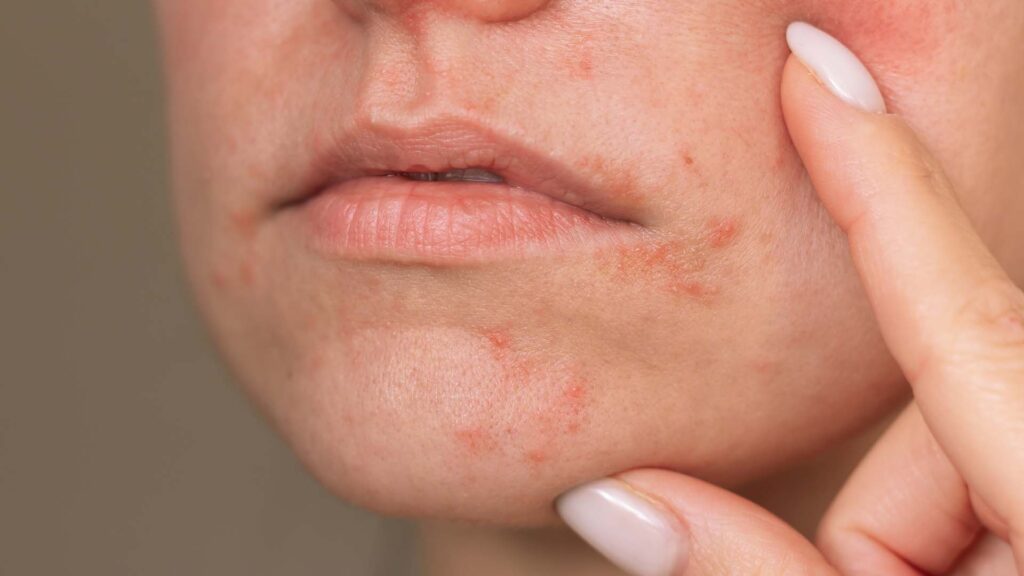
Eczema is a chronic inflammatory skin disease characterized by chronic itching, redness, dryness, and rash, with periods of flare-ups and remission. With accurate diagnosis and a personalized treatment protocol, symptoms can be largely controlled, significantly improving quality of life. Assoc. Prof. Dr. Demet Akpolat creates a comprehensive treatment plan by individually evaluating each patient’s eczema type and triggering factors.
What causes eczema?
Eczema develops as a result of a combination of genetic predisposition, immune system imbalance, and environmental factors. Weakening of the skin barrier leads to hypersensitivity to external factors. Triggering factors vary from person to person.
- Genetic predisposition and family history
- Allergens (dust mites, pollen, pet dander)
- Soaps, detergents, and cosmetics containing chemicals
- Stress and sleep disturbances
- Temperature changes and humidity
- Certain foods
- Synthetic fabrics and garments
Types of Eczema
Atopic Dermatitis It is the most common type of eczema. It can begin in childhood and continue into adulthood. It is often seen in conjunction with asthma and allergic rhinitis.
Contact Dermatitis It is an allergic or irritant reaction that develops to a substance that comes into contact with the skin. Identifying the triggering substance is the fundamental step in treatment.
Seborrheic Dermatitis This is a type of eczema that appears on oily areas such as the scalp, face, and chest, and is characterized by scaling and redness.
Dyshidrotic Eczema This is a type of eczema that manifests as small, itchy blisters on the palms and soles of the feet.
How does the treatment process work?
The goal of eczema treatment is to control symptoms, prevent flare-ups, and strengthen the skin barrier.
Topical Treatments Corticosteroid creams, calcineurin inhibitors, and barrier-repairing moisturizers form the basis of treatment.
Systemic Treatments In moderate to severe cases, oral medications or biological agents (such as dupilumab) may be prescribed. These treatments control chronic inflammation by regulating the immune system.
Trigger Management Allergy tests and detailed patient assessments identify trigger factors, and personalized avoidance strategies are developed.
Skincare Routine Using the right moisturizer, choosing appropriate cleansing products, and establishing healthy daily skincare habits are integral parts of the treatment process.
Frequently Asked Questions
Can eczema completely heal? Eczema is a chronic disease; however, with proper treatment and trigger management, long periods of remission can be achieved. Many patients are able to control their symptoms to a great extent with treatment.
Is eczema contagious? No. Eczema is not contagious.
Does eczema in children persist into adulthood? In some children with atopic dermatitis, the disease may persist into adulthood. Early and correct treatment helps reduce this risk.
What is the importance of moisturizer? Regular use of moisturizers strengthens the skin barrier and significantly reduces the frequency of flare-ups. It is an essential part of eczema treatment.